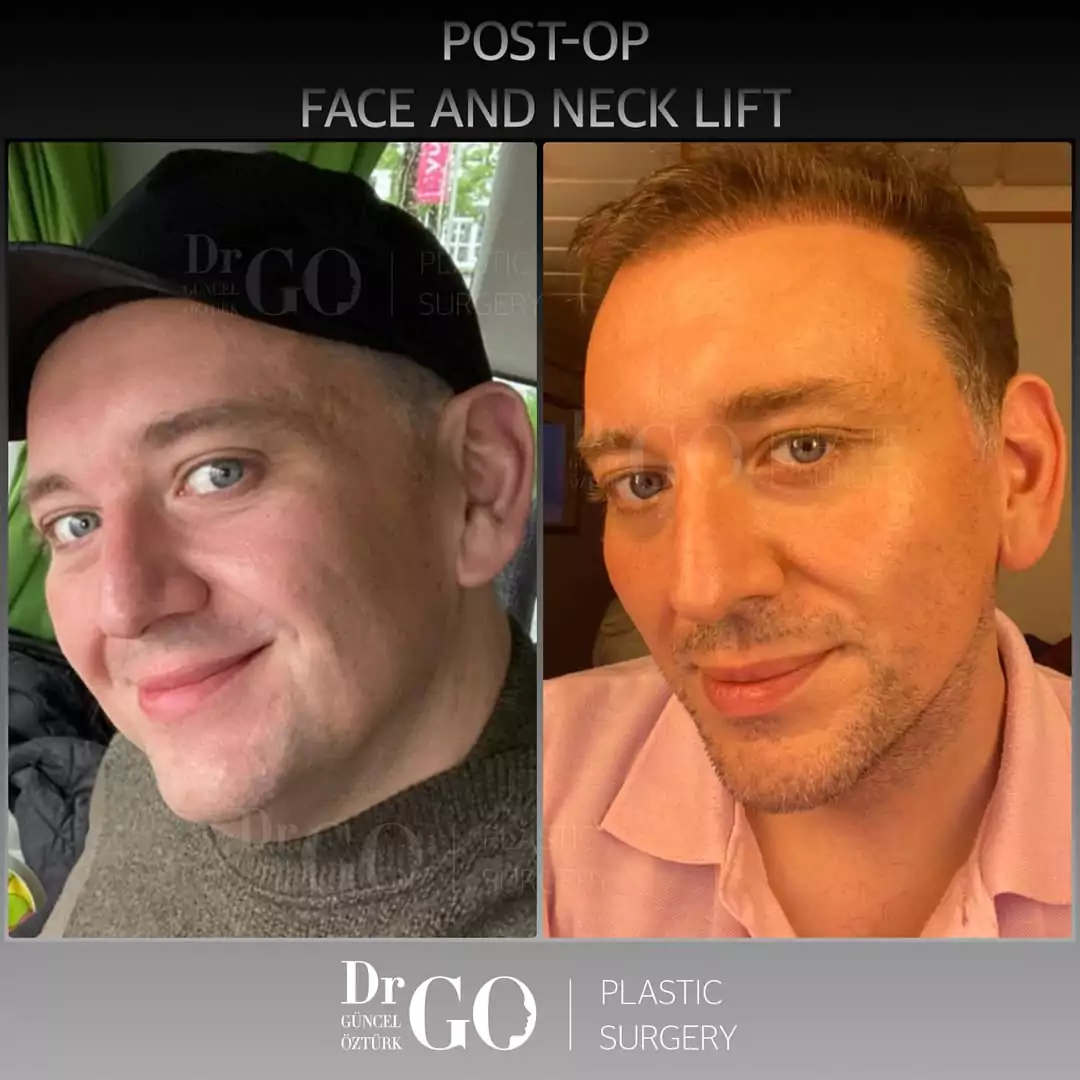
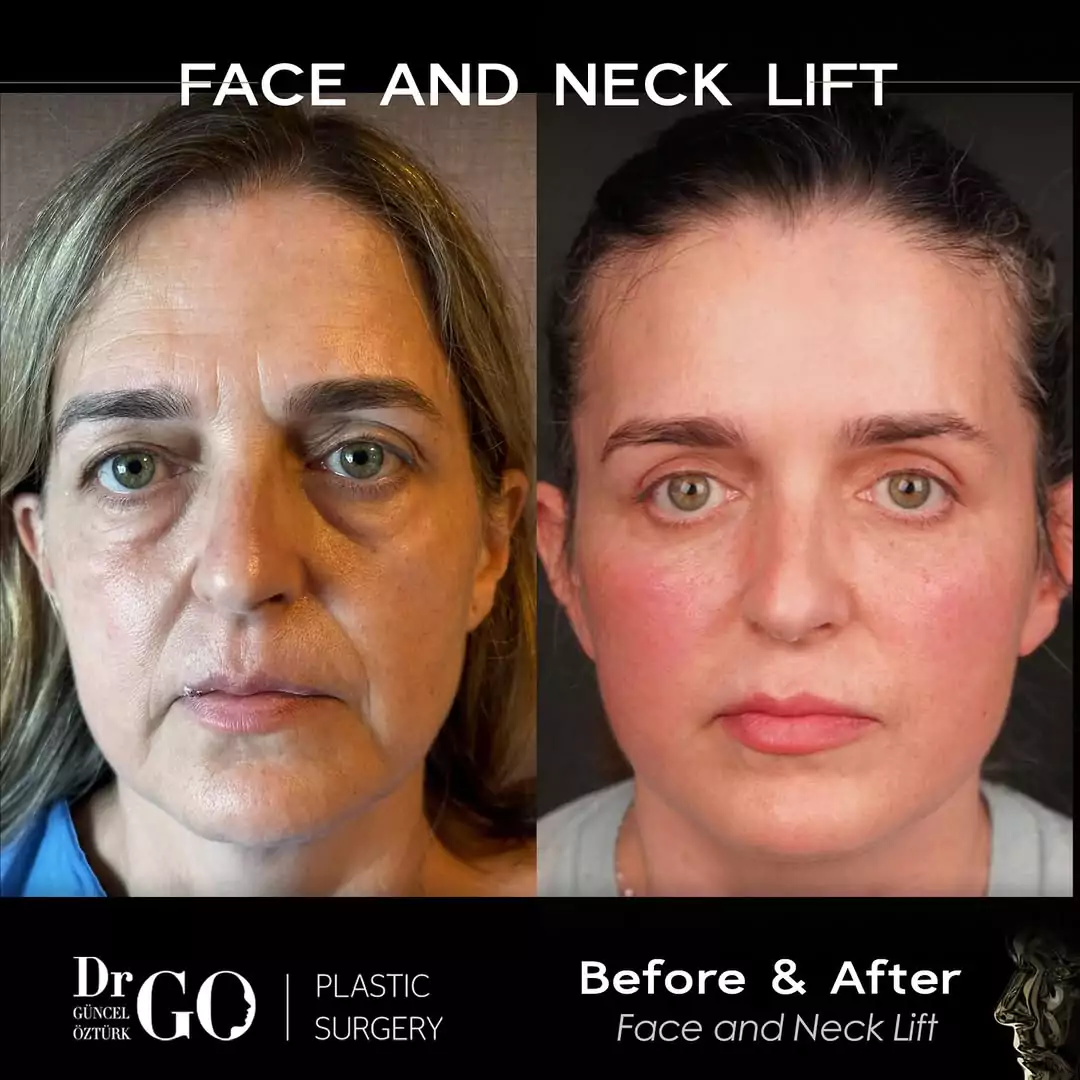
Deep Plan Facelift Turkey

  1. Home
  2. Deep Plan Facelift

What is Deep Plan Facelift Operation?

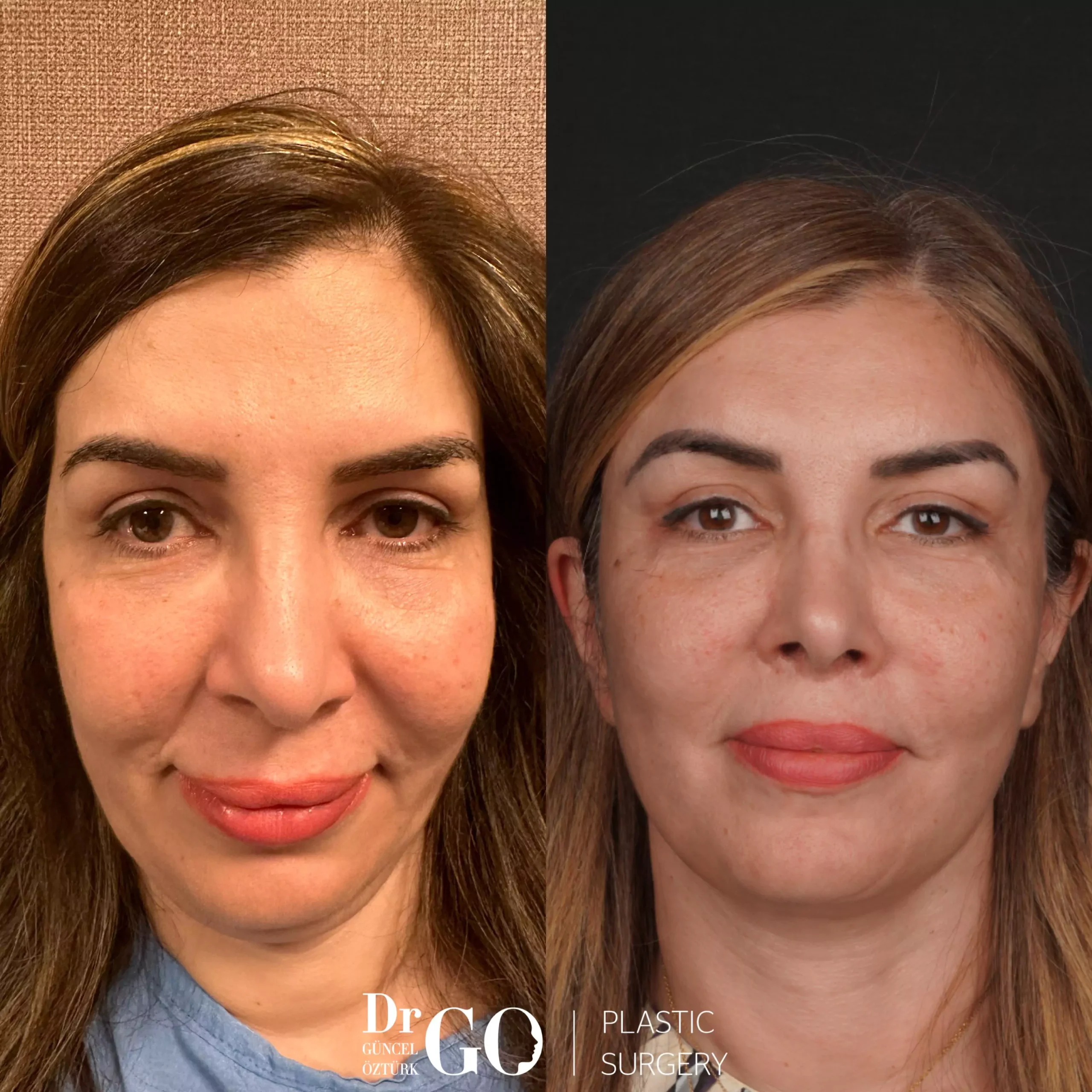
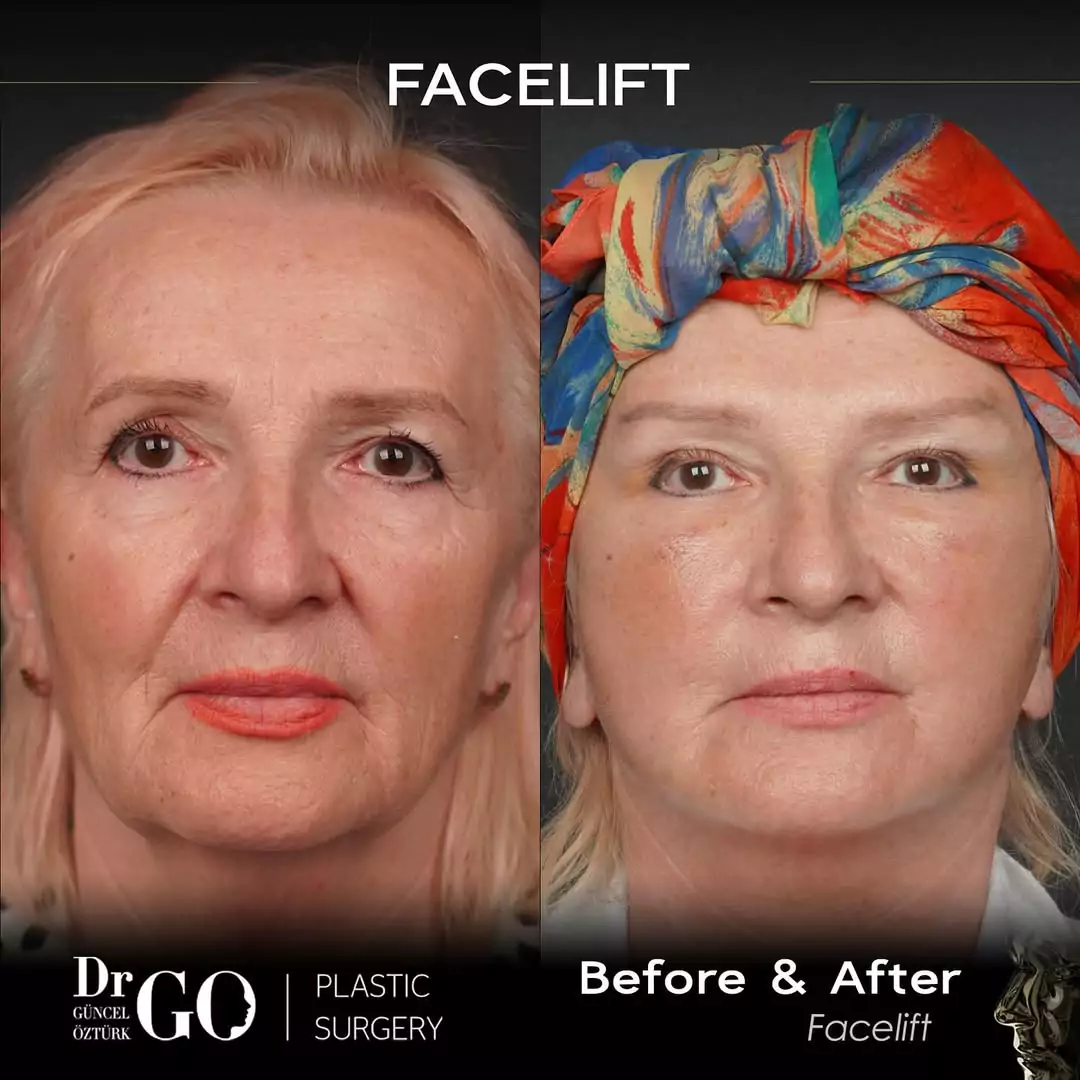
A deep plane facelift is an advanced facial rejuvenation technique that aims to reposition not only the skin, but also the underlying support tissues in a more anatomical way. As the face ages, the issue isn’t only wrinkles; tissues descend, the cheek contour flattens, the corners of the mouth turn downward, the jawline becomes less defined, and the transition between the face and neck looks heavier. By addressing this “downward shift” at deeper layers, a deep plane facelift aims to achieve a more balanced tightening without distorting facial expression.

Although classic facelift methods and the deep plane approach serve the same overall goal, the surgical plane and how the tissues are handled differ. When the right technique is matched to the right patient, this difference can help achieve results that look “lifted yet natural.” Still, it’s important to emphasize: a deep plane facelift is not a must for everyone. The best outcome comes from a plan chosen according to an individual’s facial anatomy and needs.

What Does “Deep Plane” Mean?

The term “deep plane” refers to working in deeper tissue layers of the face. Trying to correct sagging and looseness by pulling only the skin upward may be insufficient in the long term or can create a “pulled” appearance. In the deep plane approach, the goal is to reposition the facial support structures along a more natural vector (direction). This allows for a more comprehensive improvement, especially in areas such as the midface (cheeks), the lines around the mouth, and the jawline.

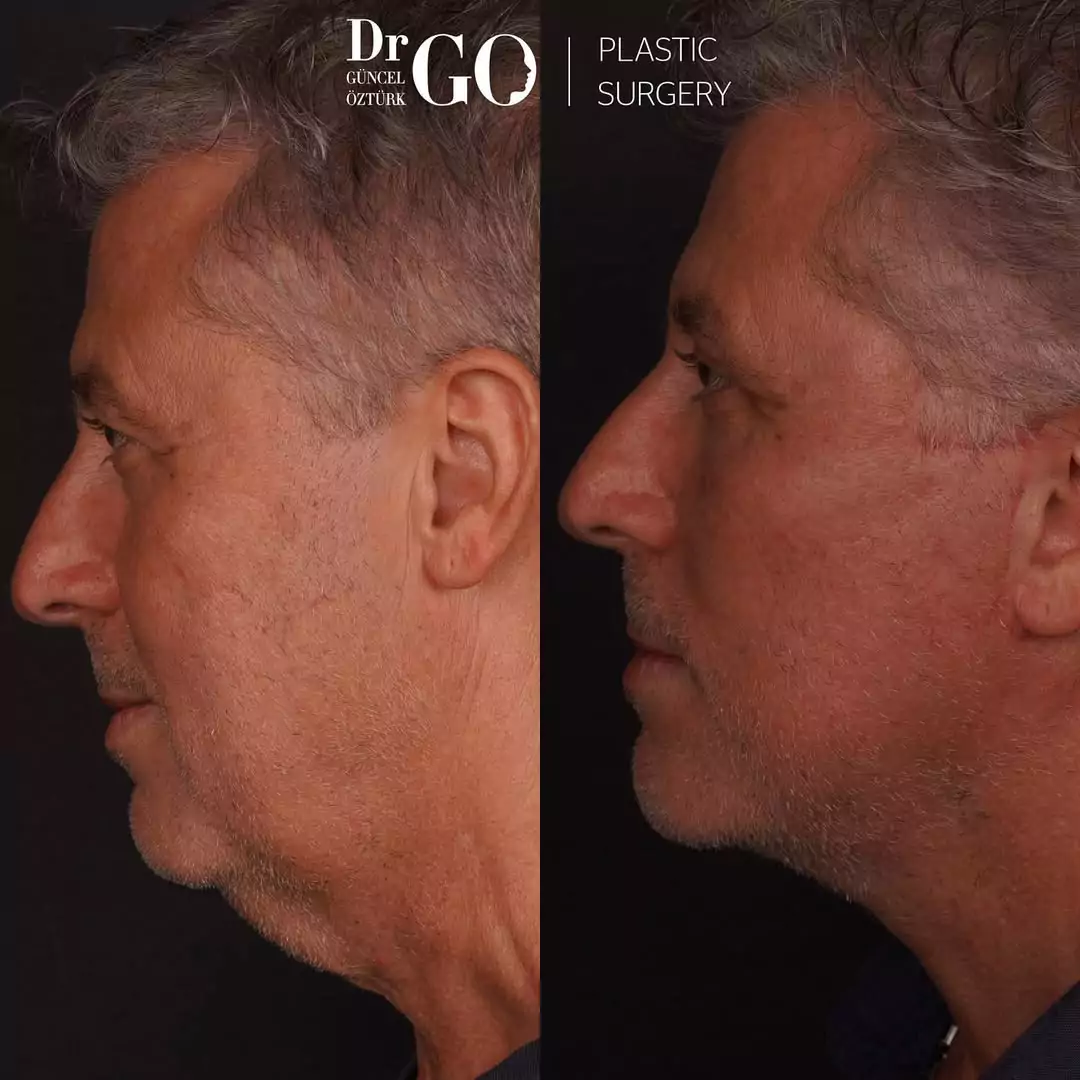
This approach is often discussed because, in some patients, it may offer more effective improvement in areas that can be difficult to correct with classic methods (for example, deep nasolabial folds, jawline sagging described as “jowls,” and midface descent). However, not every face is the same; for some, a more limited procedure is enough, while for others, a deep plane facelift becomes a more meaningful option.

What Makes a Deep Plane Facelift Different?

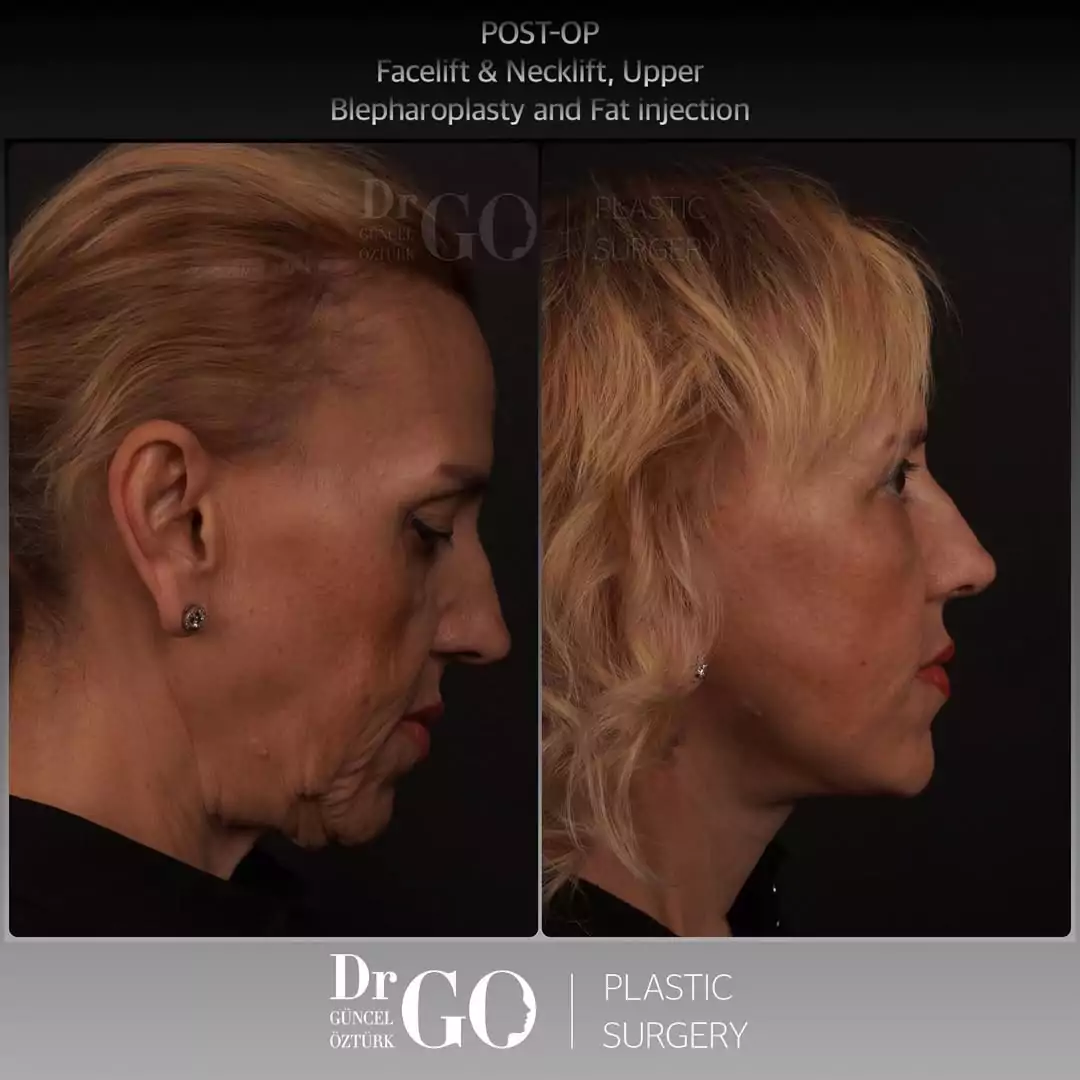
With aging, skin elasticity decreases, facial tissues sag downward, and wrinkles deepen—especially in the cheeks, jawline, and neck. Traditional facelift surgeries often tighten only the skin, which can sometimes lead to an artificial or overly tight look. The deep plane method, however, targets the SMAS layer and deeper facial connective tissues, naturally repositioning the midface and lower face.

By releasing tension in the deeper tissues and lifting these structures as a single unit, this technique restores cheek volume, softens nasolabial folds, redefines the jawline, and reduces sagging in the neck—without compromising facial expression.

Advantages of Deep Plan Facelift

  • Natural-looking results

  • Persistence lasting 10-15 years or longer

  • Restoring youthful facial contours

  • Increase in mid-face volume and jawline definition

  • Minimal tension on the skin – less risk of scarring and shrinkage

When Is a Deep Plane Facelift Considered?

A deep plane facelift is often considered when the following concerns become more noticeable: loss of jawline definition, downward turning of the mouth corners, a “heavy” downward pull of the cheeks, flattening of the midface, and a heavier face-to-neck transition. These signs may be age-related, but they can also appear earlier due to genetic facial structure or rapid weight changes.

Especially for people who say, “My face has sagged, but I don’t have many wrinkles,” the main issue is tissue displacement. In such cases, treatments that focus only on the skin surface (certain filler/Botox or device-based treatments) may have limited impact. Because a deep plane facelift focuses on correcting tissue position, it may be a more logical option for this profile.

Procedure Overview

  • Duration: 3-5 hours

  • Anesthesia General anesthesia or local anesthesia with sedation

  • Hospital Stay: Usually 1 night

  • Recovery Time: Visible improvement 2-3 weeks; full recovery 3-6 months

  • Scars Carefully concealed around the ears and within the hairline

Deep Plane Facelift vs. SMAS Facelift: What’s the Difference?

Another term frequently mentioned in facelift discussions is “SMAS.” The SMAS is one of the supportive layers beneath the skin, and many modern facelift techniques involve working on this layer. The deep plane approach is generally described as a perspective that aims to reposition tissues by releasing them more extensively, working in a deeper surgical plane.

In practice, what clearly defines the difference is how each layer should be addressed in your specific face. For some people, an SMAS-based plan is sufficient, while for others, the deep plane’s advantages—greater release and repositioning—become more significant. For this reason, rather than asking “Which is better?”, a healthier starting point is: “Which approach is more appropriate for my face?”

How Is the Surgery Planned in Turkey?

Good planning begins with a detailed examination, photo analysis, and a holistic assessment of the face. At this stage, it becomes clear how much lift is needed in each area, which vector (direction) will be used, and whether the neck area also needs intervention. Deep plane facelift surgery is often discussed together with neck tightening, because the jawline and neck are complementary regions.

During planning, scar placement is also discussed. Facelift incisions are typically designed to start in front of the ear, extend behind the ear, and be hidden within the hair-bearing scalp. However, because skin type, hairline, and healing characteristics vary from person to person, scar management is also a personalized process.

Deep Plane Facelift Turkey Prices 2026

In Turkey, deep plane facelift prices in 2026 generally range from $3,500 to $8,000 (approximately 130,000–300,000 TRY). Prices may vary depending on additional procedures such as a neck lift added to the surgery. Compared to many Western countries, Turkey offers deep plane facelift procedures at more affordable costs, and package prices typically include the operation, hospital services, and basic follow-up care.

Surgical Techniques Developed
Published in the Most Prestigious International Journals
12