


Understanding Gynecomastia Symptoms
Gynecomastia, the enlargement of male breast tissue, is a condition that affects millions of men worldwide and often leads to emotional discomfort, reduced self-confidence, and concerns about body image. Although it is common and usually benign, many men delay seeking medical advice because they are unsure whether their symptoms are normal or a sign of gynecomastia. Understanding the symptoms of gynecomastia is essential for early diagnosis and effective treatment.
In this all-inclusive guide, we’ll consider the key signs of gynecomastia, how to tell it apart from fatty deposits, and where you can go for a professional assessment.
What Is Gynecomastia?
Gynecomastia is noncancerous increase in the amount of breast tissue in men. This hormone imbalance is usually estrogen-testosterone imbalance. As estrogen gets proportionately higher to testosterone, breast tissue will grow. It can occur in one or both breasts, and it can strike at any age — during puberty, adulthood or old age.
While it is harmless gynecomastia can lead to physical tenderness, mental or emotional problems, as well as an undesirable appearance.
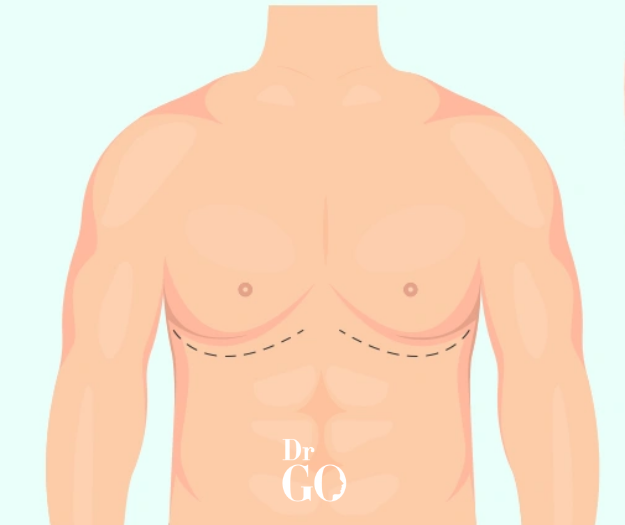
Key Symptoms of Gynecomastia
It is not intended as a medical advice, and should be read as such.Health Problems Early detection of the warning signs can help patients to seek treatment sooner, and be aware of potential causes. The following are the predominant healthcare issues related to gynecomastia:
- Enlargement of Breast Tissue
The most distinctive feature of gynecomastia is the presence of a modestly enlarged breasts. Firm glandular tissue emerges rather than just soft fat, unlike the case in lipomastia.
Patients often describe the enlargement as:
- A firm mound behind the nipple
- A rubbery or dense mass that can be felt under the skin
- A gradual or sudden increase in breast size
The enlargement may be symmetrical or uneven between the two sides.
- Tenderness and Breast Sensitivity
There’s often pain, tenderness, or more sensitivity in the breast area. The skin may be more tender to the touch, exercise can make it worse, and anything that presses on this area — like tight clothing- can increase discomfort. This symptom is more prevalent when gynecomastia is formulated where glandular tissue has developed.
- Firm or Rubber-like Tissue Under the Nipple
A key characteristic that distinguishes gynecomastia from simple fat is a firm disc-shaped tissue located directly beneath the nipple (areola). This tissue typically feels rubbery or firm and is often smaller than 1–2 cm in early cases but may grow if untreated.
- Swelling Around the Nipple-Areola Complex
Gynecomastia often causes:
- Puffiness
- Swelling
- A rounded appearance of the nipples
This occurs due to glandular tissue pushing outward under the areola. In some individuals, the nipples may protrude even when the chest muscles are relaxed.
- Uneven Chest Appearance
Gynecomastia may develop on one side only (unilateral) or affect both sides (bilateral). When only one breast is enlarged, the chest can look asymmetrical, leading to more noticeable aesthetic concerns.
- Emotional or Psychological Discomfort
Though not a physical symptom, emotional distress is one of the most impactful consequences of gynecomastia. Many patients report:
- Avoiding tight clothing
- Hesitancy to swim or remove their shirt in public
- Decreased confidence
- Social anxiety related to chest appearance
These psychological effects often become a major reason for seeking treatment.
How to Differentiate Gynecomastia from Fat Accumulation (Pseudo-Gynecomastia)
Many men confuse gynecomastia with weight-related chest fat. However, the two conditions are different:
Gynecomastia | Pseudo-Gynecomastia |
Involves glandular breast tissue | Involves only fat tissue |
Tissue feels firm or rubbery | Tissue feels soft |
May cause tenderness | Usually painless |
Located directly behind the nipple | Fat distributed across the chest |
A physical examination by a specialist is usually enough to distinguish between the two.
When Should You Seek Medical Evaluation?
It is recommended to consult a specialist if you notice:
- Persistent breast enlargement lasting longer than 3–6 months
- Pain or significant tenderness
- Rapid or uneven growth
- Discharge from the nipple (rare but important)
- Emotional distress due to chest appearance
Early evaluation not only confirms the diagnosis but also identifies potential underlying causes such as hormonal imbalance, medication side effects, or metabolic conditions.
Why Early Diagnosis Matters
Detecting gynecomastia early allows for:
- More effective and minimally invasive treatment
- Prevention of further tissue enlargement
- Reduction of discomfort and tenderness
- Improved cosmetic outcomes
- Better patient confidence and satisfaction
In many cases, surgical correction (gynecomastia surgery) provides the most definitive and long-lasting solution.
Final Thoughts
Gynecomastia is one of the most common treatable condition. And knowing its symptoms — which include the growth of glandular tissue, tenderness or swelling below the nipple and changes in chest appearance — can help men identify it early and get proper care. By using sophisticated surgical methods and customized treatment regimens, you can achieve a naturally masculine chest that allows you to confidently pursue any chop-wood-and-carry-water adventure.
If you suspect that you have gynecomastia, or if you are displaying any of the symptoms mentioned above, meeting with a qualified specialist like Assoc. Prof. Dr. Güncel Öztürk would be an important first in your diagnosis and treatment journey.