


Preservation Rhinoplasty
- Home
- Preservation Rhinoplasty
What Is It?
Preservation rhinoplasty is a modern surgical technique developed to achieve more natural results in nose aesthetics. In this method, the bone and cartilage structures of the nose are preserved as much as possible while reshaping the nose. The goal is to achieve an aesthetic appearance without disrupting the natural lines of the nasal bridge. Since preservation rhinoplasty corrects the nasal structure both functionally and aesthetically with less trauma, it offers advantages such as a faster recovery period and less swelling compared with traditional methods. It is an ideal solution especially for people who want to improve the shape of their nose without losing its natural appearance.
What Is the Difference Between Preservation Rhinoplasty and Traditional Rhinoplasty?
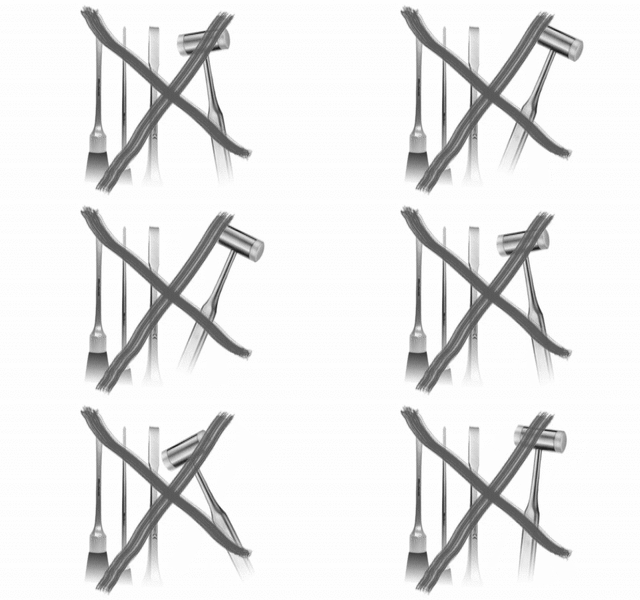
The main difference between preservation rhinoplasty and traditional rhinoplasty lies in the way the bone and cartilage structures of the nose are treated. In traditional rhinoplasty, the nasal bridge is shaped by filing or breaking the bone, whereas in preservation rhinoplasty, the bridge is preserved as much as possible and reshaped through interventions performed from underneath. In this way, the natural line of the nose is maintained, and the risk of collapse of the nasal bridge or an artificial appearance is minimized. In addition, recovery with the preservation technique is faster, and bruising and swelling are less pronounced. Therefore, preservation rhinoplasty is a more advantageous option for those who want to maintain nasal function without compromising aesthetics.
How Is Preservation Rhinoplasty Performed?
Preservation rhinoplasty is a surgical procedure performed under general anesthesia and planned individually for each patient. During the operation, the nasal bridge is not directly altered; instead, the nasal bone and cartilage are reshaped by supporting them from underneath. If there is a hump on the nose, this structure is usually lowered from the inside, thereby preserving the upper contour of the nose. The surgeon achieves both functional and aesthetic correction without disturbing the natural structure of the nose. In this method, the incision sites are hidden, so the risk of visible scarring after surgery is very low. As a result, the patient gains a nose that is more natural, balanced, and functional.
Who Is It Suitable For?
Preservation rhinoplasty is suitable for patients who want to achieve an aesthetic appearance while preserving the natural structure of the nose. This technique provides the most effective results in people with certain anatomical features.
Preservation rhinoplasty is suitable for the following individuals:
- Those whose nose shape is generally good but who only have a hump or mild asymmetry
- Those who do not have severe deformity or collapse in the nose
- Those who want a softer aesthetic result while preserving the natural nasal bridge
- Those who do not want to lose nasal function and do not suffer from breathing problems
- Those who want to avoid the artificial appearance that may occur after traditional rhinoplasty
- Those who want a shorter recovery period and plan to return quickly to social life
- Those whose nasal skin is neither too thick nor too thin, but has a suitable structure
- Those who are over 18 years old and whose facial development is complete
What Is the Recovery Process Like?
The recovery process after preservation rhinoplasty is generally more comfortable and faster compared with traditional methods. After the operation, swelling and bruising are less noticeable because the bone and cartilage tissues on the nasal bridge are preserved and no breaking procedure is performed. Patients can usually return to social life within the first 3 to 5 days, while full recovery takes place within several weeks. During the first week, it is important to rest and protect the nose area from any impact. The healing process is also supported by the use of nasal tapes and a splint in accordance with the doctor’s recommendations. However, it may take several months for all swelling to subside completely and for the nasal tip to settle into its final shape.
How Long Does Preservation Rhinoplasty Surgery Take?
Preservation rhinoplasty surgery usually takes between 1.5 and 2.5 hours, depending on the technique used and the structural characteristics of the nose. Although the duration is similar to that of traditional rhinoplasty, in some cases it may be completed in a shorter time. The surgeon’s experience and the method to be used are among the main factors affecting the duration of the operation.
Does Preservation Rhinoplasty Leave Scars?
Because preservation rhinoplasty is generally performed using the closed technique, it usually does not leave any visible external scars after the procedure. The surgical incisions are made inside the nostrils, so suture marks are not visible from the outside. Even in special cases where the open technique is preferred, the incision is usually a very thin line at the base of the nose and fades over time. Therefore, the risk of visible scarring after preservation rhinoplasty is quite low and does not create an aesthetically disturbing appearance. Depending on the skin type, the healing process of scars may vary from person to person.
Are the Results of Preservation Rhinoplasty Permanent?
Yes, preservation rhinoplasty provides long-lasting results. The nasal structure shaped during surgery retains its form for many years thanks to the preservation of the bone and cartilage tissues. Since the natural anatomical structure is not disrupted, the risk of collapse, asymmetry, or an artificial appearance is lower. However, factors such as aging, trauma, or significant weight changes may affect the overall appearance of the nose over time. Apart from these factors, a well-planned preservation rhinoplasty performed with the correct technique is a highly durable procedure with a high satisfaction rate.
Preservation Rhinoplasty Prices 2026
Preservation rhinoplasty prices range between €7.000 – €16.000 depending on the techniques used and the scope of the procedure. This range is determined by the condition of the nasal bridge, nasal tip structure, and the level of correction required.
Prices may vary based on the surgeon’s experience, applied techniques, and clinic services. A personalized assessment is recommended for accurate pricing.
Frequently Asked Questions
Does Preservation Rhinoplasty Heal Faster?
Does Preservation Rhinoplasty Provide a More Natural Look?
Does Preservation Rhinoplasty Require Revision Surgery?
When Can You Start Exercising After Preservation Rhinoplasty?
Kapalı (İzsiz)Burun Estetiği
Eskiden gelen alışkanlıkla hala hastalarımızın bir… Devamı
KırmadanBurun Estetiği
Her geçen gün hızla ilerleyen ve gelişen teknolojinin... Devamı
Video EndoskopikBurun Estetiği
Burun yapısına bağlı olarak eskiden bir burnun... Devamı
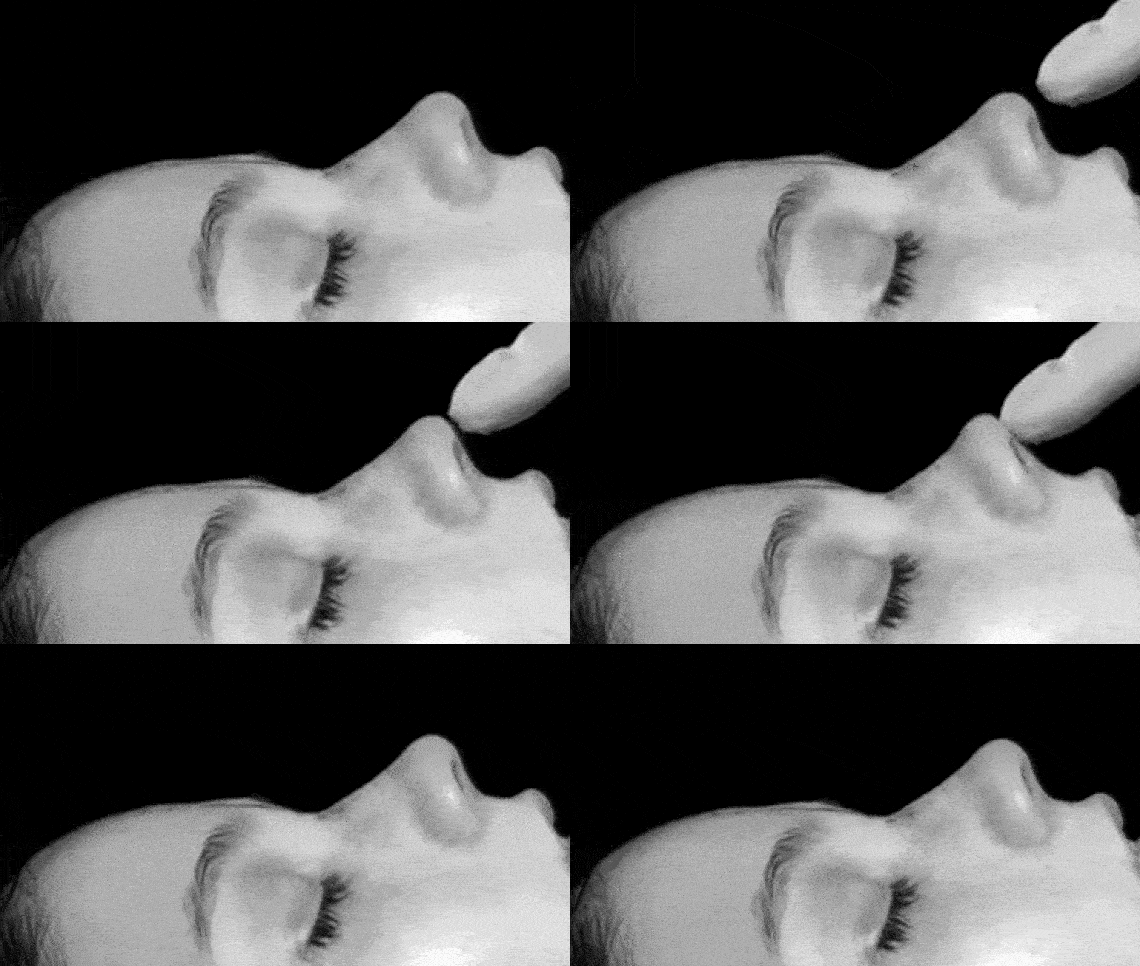
DinamikBurun Estetiği
Burun estetiği yani rinoplasti estetik cerrahide ... Devamı
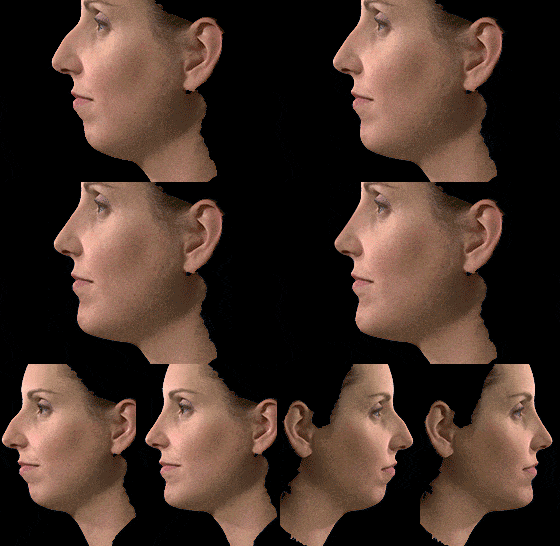
3DBurun Estetiği
Eskiden gelen alışkanlıkla hala hastalarımızın bir... Devamı

TamponsuzBurun Estetiği
Estetik burun operasyonlarında hastaların burnunu... Devamı

RevizyonBurun Estetiği
Bir veya daha fazla burun operasyonu geçirmiş... Devamı

KompozitBurun Estetiği
Kompozit burun estetiği, rinoplasti ameliyatlar... Devamı

FinesseBurun Estetiği
Finesse rinoplasti, bir hastanın burnunda sadece... Devamı
3D MaskBurun Estetiği
Burun estetiği yani rinoplasti estetik cerrahide... Devamı

KoruyucuBurun Estetiği
Rinoplasti, genellikle kozmetik kaygılar ile... Devamı

Burun SanatıKitabım
Burun Sanatı Kitabım Doğan Kitap evinden çıktı... Devamı
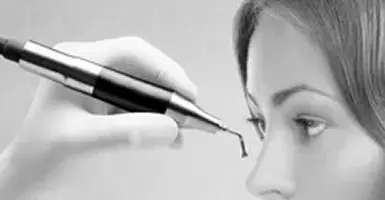
Piezo ve MikromotorBurun Estetiği
Minimal invaziv cerrahiye yönelik teknolojik... Devamı
Liquid RhinoplastyBurun Dolgusu
Ameliyatsız burun estetiği olarak da bilinen... Devamı

Push DownRinoplasti
Burundaki kıkırdak ve kemiklerin kısmi... Devamı